Wisdom teeth have a reputation, and it isn’t always a good one. For some people they arrive quietly and cause no trouble at all, while for others they bring aching, swelling and the question of whether they need to come out. If your wisdom teeth are starting to make themselves known, or you’re wondering what to expect, a bit of clear information goes a long way.
At Sherwood Smiles, we help patients across Sherwood, Brisbane understand their wisdom teeth and decide on the right approach. Here’s a friendly, thorough guide to what wisdom teeth are, the signs of a problem, when removal might be needed, and what the process involves.
What Are Wisdom Teeth?
Wisdom teeth are the third and final set of molars, right at the back of your mouth. They’re the last teeth to develop, usually appearing in the late teens or early twenties, which is where the name comes from, as they arrive at a supposedly wiser age. Most people have four wisdom teeth, one in each corner, though some have fewer and a few have none at all.
In earlier times, these extra molars were useful for chewing a coarse, tough diet. Today, our jaws are generally smaller and our diets softer, so wisdom teeth are often more of a nuisance than a help. The trouble is that there frequently isn’t enough room at the back of the mouth for them to come through properly, and that’s when problems can begin.

When Wisdom Teeth Cause Problems
When there isn’t enough space, wisdom teeth can become what’s known as impacted. Impacted wisdom teeth are teeth that can’t fully emerge into the correct position, so they may come through at an angle, only partly break through the gum, or stay trapped beneath it altogether. This is one of the most common reasons wisdom teeth cause difficulty.
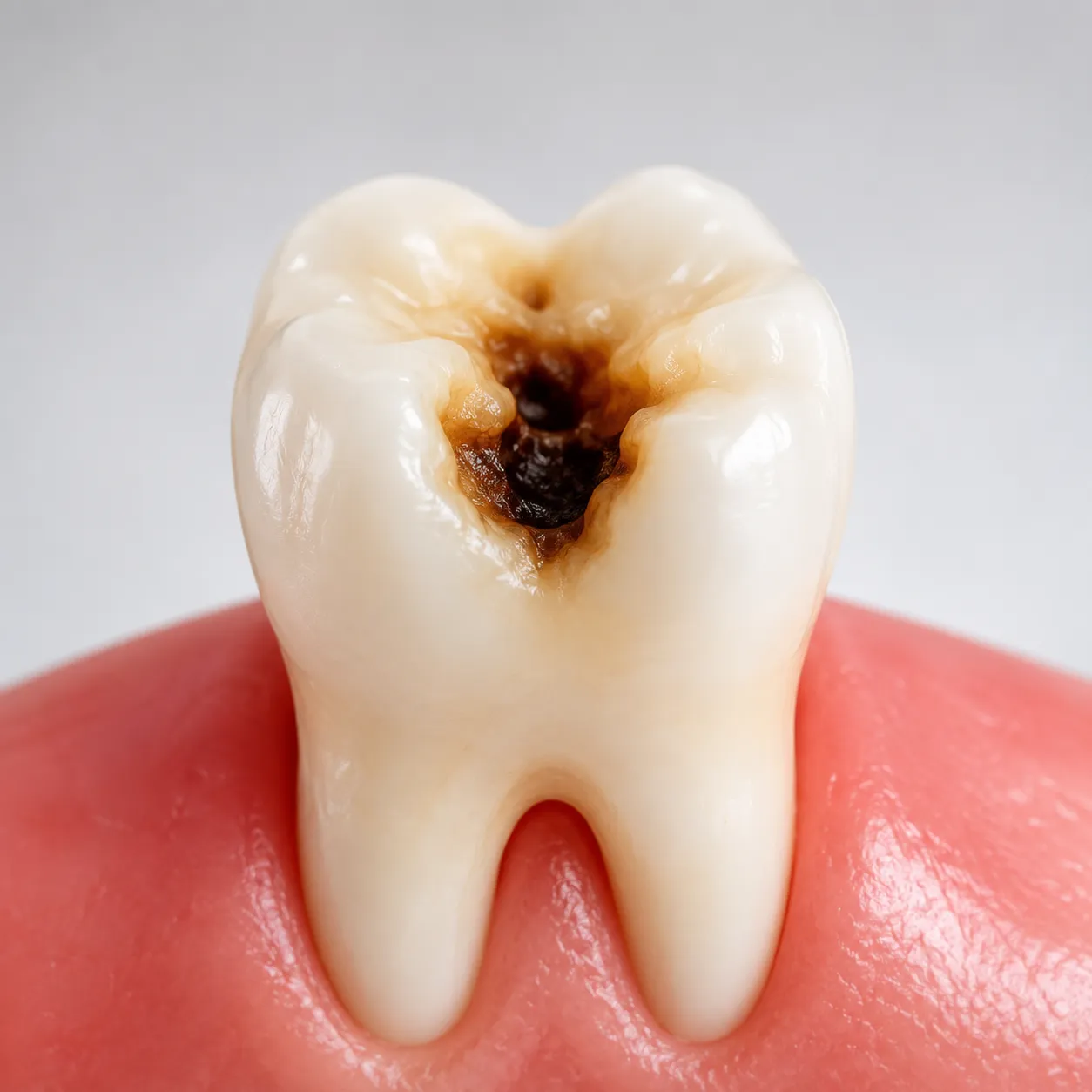
Impacted wisdom teeth can lead to a range of issues. A partly emerged tooth creates a flap of gum where food and bacteria can gather, which can cause infection, swelling and soreness. A wisdom tooth pushing against the tooth in front can cause damage or crowding. And because these teeth sit so far back, they can be hard to clean, making them more prone to decay and gum problems. In some cases, cysts can form around an impacted tooth, which is another reason to keep an eye on them.
Not every wisdom tooth causes trouble, though. Plenty of people have wisdom teeth that come through straight, have enough room, and function perfectly well alongside the rest of their teeth. The key is knowing which situation you’re in, and that’s something we can assess for you.
Signs Your Wisdom Teeth May Need Attention
Wisdom teeth often let you know when something isn’t right. Common signs of wisdom tooth pain or trouble include:
- Aching or pain at the back of the mouth
- Red, swollen or tender gums around the area
- Swelling of the jaw, or difficulty opening your mouth fully
- A bad taste or bad breath that won’t shift
- Pain when biting or chewing near the back teeth
- Headaches or a general ache radiating from the jaw
If you notice any of these, it’s worth having your wisdom teeth checked. Sometimes the discomfort settles as a tooth finishes coming through, but ongoing or recurring pain usually means the tooth needs a closer look. Even without symptoms, it’s a good idea to have your wisdom teeth monitored, as problems can develop out of sight.
How We Assess Wisdom Teeth
Working out whether wisdom teeth need treatment starts with a proper assessment. We’ll examine the area, ask about any symptoms you’ve noticed, and usually take an X-ray. Imaging is especially important with wisdom teeth, because so much of the story happens beneath the surface. An X-ray shows us the position and angle of the teeth, how much room they have, and their relationship to the nerves and neighbouring teeth.
With this full picture, we can give you clear, honest advice. In many cases the best course is simply to monitor the teeth over time, keeping an eye on them at your regular check-ups. In others, where a tooth is causing problems or is likely to, we may discuss wisdom tooth removal. The right answer is different for everyone, and we’ll always take the time to explain what we see and why we’re recommending a particular approach.
Do Wisdom Teeth Always Need to Be Removed?
This is one of the most common questions we hear, and the answer is no. Wisdom teeth only need to be removed if they’re causing problems or are likely to in the future. Healthy wisdom teeth that have come through properly, are functioning well, and can be kept clean are usually best left alone.
Wisdom teeth extraction tends to be recommended when a tooth is impacted, when it’s causing repeated infections or pain, when it’s damaging or crowding the neighbouring teeth, or when decay or gum problems have taken hold and can’t be managed. Removing a troublesome wisdom tooth can prevent ongoing discomfort and protect the health of the teeth around it. If removal is the right choice for you, we’ll explain everything clearly so you feel comfortable and informed about the decision.
What to Expect With Wisdom Tooth Removal
If wisdom tooth removal is recommended, knowing what’s involved can help ease any nerves. Straightforward extractions can often be carried out in the dental chair using local anaesthetic, so the area is completely numb and you shouldn’t feel pain during the procedure. More complex cases, such as deeply impacted teeth, are sometimes referred to a specialist, and we’ll guide you if that’s the case.
Recovery is usually quite manageable. It’s normal to have some swelling and mild discomfort for a few days afterwards, which can be eased with pain relief and a cold compress. We’ll give you clear aftercare instructions, which typically include resting for a day or two, eating soft foods, keeping the area clean, and avoiding vigorous rinsing or anything that might disturb the healing site. Most people are back to their normal routine within a few days. As always, if you have any concerns during recovery, we’re just a phone call away.
Caring for Your Wisdom Teeth
Whether or not your wisdom teeth need treatment, looking after them well is important. Because they sit right at the back of the mouth, they can be easy to miss when brushing, so take extra care to clean the area thoroughly twice a day and to floss around them. Keeping up your regular dental check-ups is especially valuable, as it lets us monitor your wisdom teeth over time and step in early if a problem starts to develop.
Good habits and regular monitoring mean that even wisdom teeth that are a little tricky can often be kept healthy and comfortable. And if they do become a problem, catching it early usually makes treatment simpler and recovery easier.
Why Early Assessment Matters
One of the reasons we like to keep an eye on wisdom teeth is that acting early tends to make everything simpler. When a problem is caught in its early stages, treatment is often more straightforward and recovery smoother than when a tooth has been causing trouble for a long time. In younger patients, the roots of the wisdom teeth are often less developed and the surrounding bone more forgiving, which can make removal more comfortable when it is needed.
This is why we include a look at your wisdom teeth as part of your regular check-ups. Even if they aren’t bothering you now, monitoring them over time means we can spot the early signs of impaction, decay or crowding and talk through your options before things become painful. As with so much in dentistry, a little foresight goes a long way, and it puts you in control of the decision rather than reacting to an emergency.
Frequently Asked Questions
At what age do wisdom teeth come through? Most people’s wisdom teeth appear in the late teens or early twenties, though the timing varies. Some come through with no trouble, while others cause problems or never fully emerge.
Do all wisdom teeth need to be removed? No. Wisdom teeth only need removing if they’re causing problems or are likely to. Healthy, well-positioned wisdom teeth that can be kept clean are usually best left in place.
Is wisdom tooth removal painful? The procedure itself is done with local anaesthetic, so you shouldn’t feel pain during it. Some swelling and mild discomfort for a few days afterwards is normal and settles with simple aftercare.
How do I know if my wisdom teeth are impacted? Signs can include pain, swelling and difficulty opening your mouth, but impaction is best confirmed with an X-ray, which shows the position of the teeth beneath the surface.
Talk to Us About Your Wisdom Teeth
If your wisdom teeth are causing discomfort, or you’d simply like to know how they’re tracking, we’re here to help with clear advice and gentle care. As a QIP accredited practice, we provide high-quality treatment you can trust, right here in Sherwood. We look after families from Sherwood, Graceville, Corinda, Oxley and the wider 4075 area, and we’d be glad to look after you.
To book with a friendly dentist in Sherwood, Brisbane, call us at 07 3379 6881 or book online at www.sherwoodsmiles.com.au. A quick check now can save a lot of trouble later.