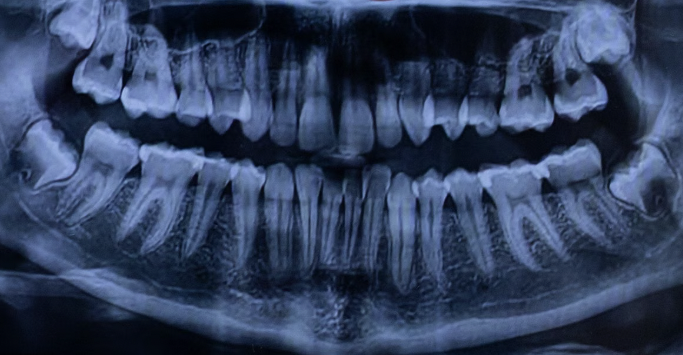
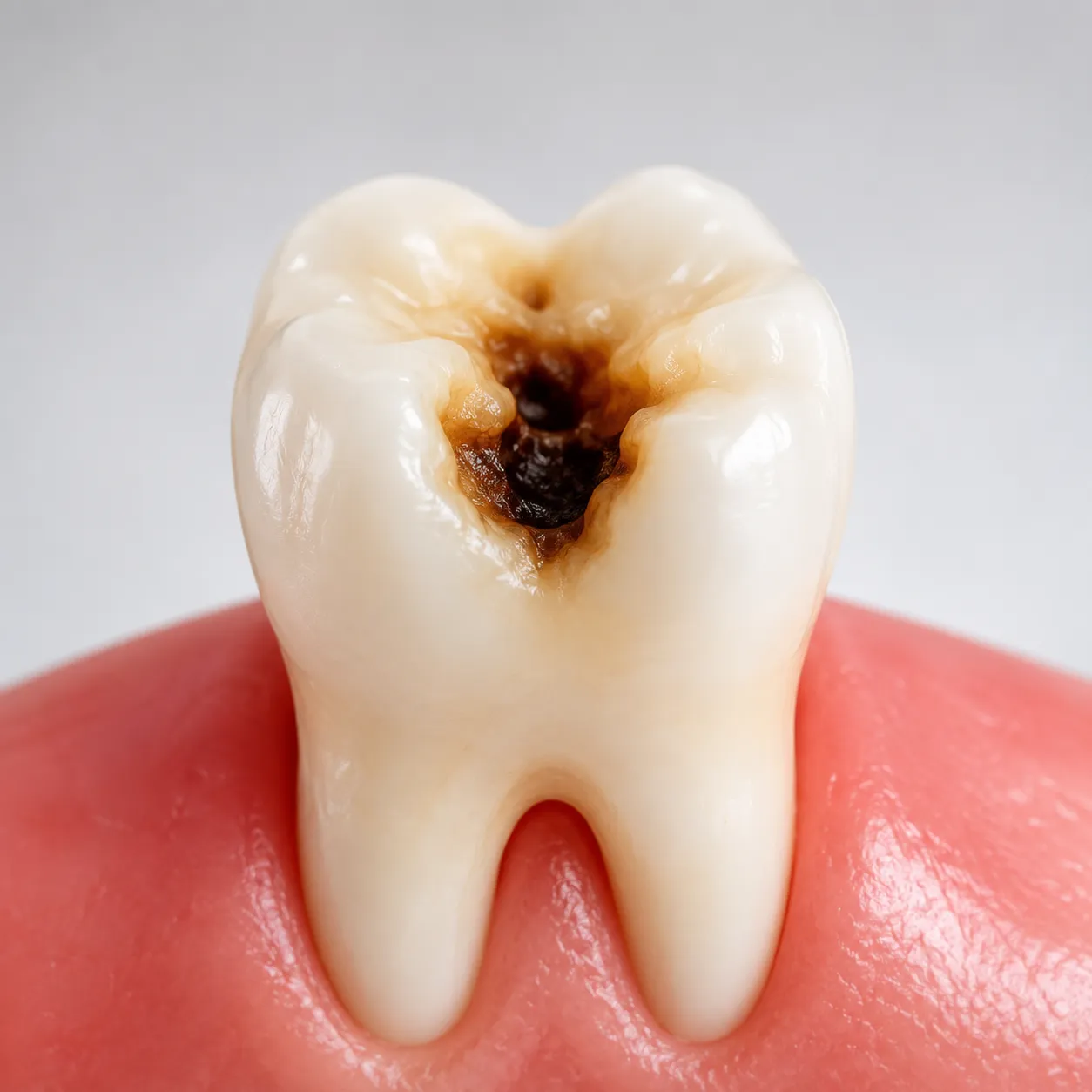
When a tooth is badly damaged, weakened or heavily worn, it doesn’t always mean it needs to be removed. In many cases, a dental crown can restore the tooth to full strength and function, letting you keep your natural tooth for years to come. Crowns are one of the most common and versatile treatments in dentistry, yet many people aren’t quite sure what they are or when they’re needed.
At Sherwood Smiles, we help patients across Sherwood, Brisbane repair and protect their teeth with high-quality dental crowns. Here’s a friendly, thorough guide to what dental crowns are, why they’re used, what the procedure involves, and how to care for them.
What Is a Dental Crown?
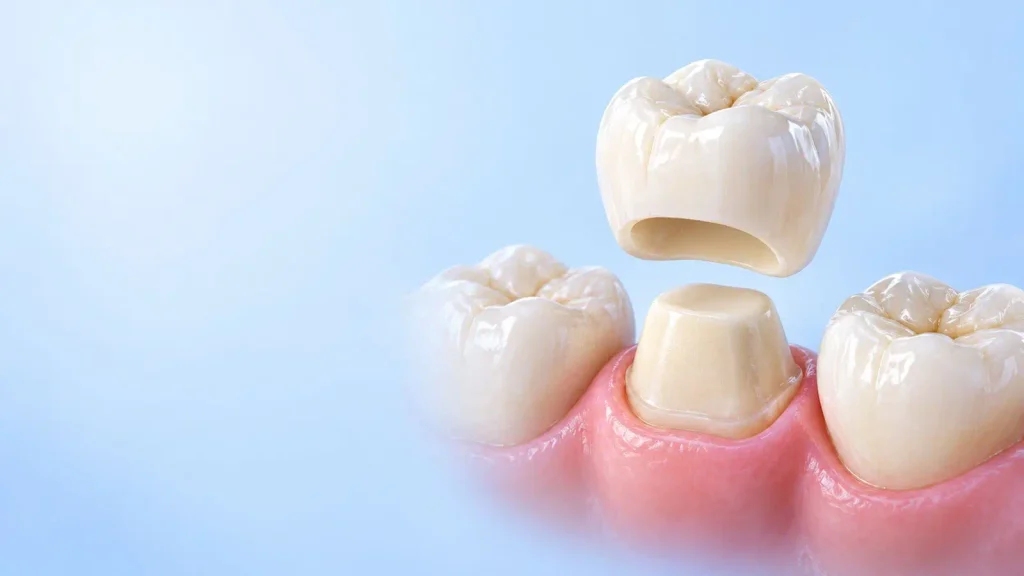
A dental crown is a custom-made cap that fits over a tooth, covering it completely to restore its shape, size, strength and appearance. You can think of it a little like a protective helmet for a tooth that has been weakened or damaged. Once in place, a crown becomes the new outer surface of the tooth, taking on the job of biting and chewing while protecting what lies beneath.
Crowns are made to match the look of your natural teeth, and a tooth-coloured crown can blend in so well that it’s very hard to tell apart from the teeth around it. They’re a long-lasting way to restore a tooth that’s too damaged for a simple filling but still has a healthy root and enough structure to support a crown. In short, a crown lets you keep and use a tooth that might otherwise be lost.
Why Might You Need a Crown?
There are many situations where a dental crown is the right solution. Some of the most common reasons include:
- Protecting a weakened tooth. A tooth that’s cracked, worn or weakened by a large filling can be vulnerable to breaking. A crown holds it together and protects it.
- Restoring a broken tooth. When a tooth is badly broken or heavily decayed, a crown can restore its shape and function.
- After root canal treatment. A tooth that has had root canal treatment can become more brittle, so a crown is often recommended to strengthen and protect it.
- Supporting a large filling. When there isn’t enough natural tooth left to hold a filling securely, a crown may be a better option.
- Improving appearance. A crown can restore the look of a misshapen or discoloured tooth as part of restoring your smile.
- Completing other treatments. Crowns are also used to top dental implants and to support bridges.
Whatever the reason, the aim is the same, which is to restore a damaged tooth so you can bite, chew and smile with confidence, while keeping your natural tooth wherever possible.
What Are Crowns Made Of?
Dental crowns can be made from several materials, and the best choice depends on the location of the tooth, how much strength is needed, and your preferences. Tooth-coloured materials such as porcelain and ceramic are very popular, especially for teeth that show when you smile, because they blend in so naturally. Other materials offer particular strength and may be suited to back teeth that take a lot of chewing force. Some crowns combine materials to balance strength and appearance.
At your appointment, we’ll talk through the options and help you choose the crown that best suits your tooth, your bite and your smile. Our goal is always a result that looks natural and stands up well to everyday use.
What Does the Crown Procedure Involve?
Having a dental crown fitted is a routine, comfortable process that usually takes place over a couple of appointments, and understanding the steps can help it feel straightforward.
At the first visit, we prepare the tooth. After making sure the area is comfortably numb, we gently shape the tooth so the crown will fit neatly over it, removing any decay or weakened material in the process. We then take an impression or digital scan of the tooth, which is used to create a crown that fits precisely and matches your other teeth. A temporary crown is usually placed to protect the tooth in the meantime.
At the second visit, we remove the temporary crown and check that your new custom crown fits well, feels comfortable and looks natural. Once we’re both happy, the crown is securely bonded into place, and we make any final adjustments so your bite feels just right. Some practices offer same-day crown technology, and if that’s an option for your situation, we’ll let you know. Throughout the process, we’ll keep you comfortable and informed at every step.
Does Getting a Crown Hurt?
This is a common concern, and the good news is that having a crown fitted is usually a comfortable experience. The tooth is thoroughly numbed with local anaesthetic during preparation, so you shouldn’t feel pain. It’s normal to have a little sensitivity around the tooth for a few days afterwards, particularly while a temporary crown is in place, and this usually settles quickly.
If you feel anxious about the procedure, please let us know. We’re very experienced in helping nervous patients feel at ease, and we’ll take the time to keep you relaxed and comfortable throughout. There’s no such thing as a silly question, and we’re always happy to explain each step.
Caring for Your Dental Crown
One of the great things about a dental crown is that looking after it is much like looking after your natural teeth. There’s no special routine to learn, just good, consistent habits.
Brush twice a day and clean between your teeth daily, taking care around the crown and gum line just as you would with a natural tooth. While crowns themselves don’t decay, the natural tooth beneath and the gum around it still need protecting, so good daily care matters. It’s also wise to avoid habits that could damage a crown, such as chewing very hard objects, ice or your fingernails, and if you grind your teeth, we may suggest a night guard for protection. Regular dental check-ups let us keep an eye on your crown and the tooth beneath it, making sure everything stays in great shape. With good care, a well-made crown can last many years.
How Long Do Crowns Last?
Dental crowns are designed to be durable and long-lasting, and with good care many serve well for a long time. That said, no crown lasts forever, and everyday wear means a crown may eventually need replacing. Looking after your teeth well, avoiding habits that put excess force on the crown, and keeping up regular check-ups all help your crown last as long as possible. At your visits, we can check that your crown is holding up well and address any concerns early, before they become bigger problems.
Crowns as Part of Restoring Your Smile
A dental crown is often part of a bigger picture of restoring and protecting your smile, and it works well alongside other treatments. For example, a crown frequently completes root canal treatment by strengthening the tooth afterwards, and crowns are also used to top dental implants and to anchor bridges that replace missing teeth. This versatility is part of what makes crowns such a valuable tool in modern dentistry.
When we recommend a crown, it’s always with the goal of preserving as much of your natural tooth as possible and keeping your smile healthy and functional for the long term. We take the time to explain why a crown is the right choice for your situation, what the alternatives are, and what you can expect at each stage, so you feel fully informed and comfortable with the plan. Every mouth is different, and our advice is always tailored to your particular tooth, your bite and your goals. If you’d like to understand your options, a simple conversation is the best place to start, and we’re always happy to talk things through.
Frequently Asked Questions
Will my crown look natural?
Yes. A tooth-coloured crown is matched to your natural teeth, so it blends in beautifully and is very hard to tell apart from the teeth around it.
Is getting a crown painful?
The procedure is carried out with local anaesthetic, so you shouldn’t feel pain. Some mild sensitivity for a few days afterwards is normal and usually settles quickly.
How long does a dental crown last?
Crowns are made to be durable and can last many years with good care. Everyday wear means one may eventually need replacing, and regular check-ups help us keep an eye on it.
How do I look after my crown?
Much like a natural tooth. Brush twice a day, clean between your teeth, avoid chewing very hard objects, and attend regular check-ups so we can make sure the crown and the tooth beneath stay healthy.
Restore Your Smile With Sherwood Smiles
If you have a damaged, weakened or heavily worn tooth, a dental crown could be the ideal way to restore it and keep your natural tooth. As a QIP accredited practice, we provide high-quality care you can trust, right here in Sherwood. We look after families from Sherwood, Graceville, Corinda, Oxley and the wider 4075 area.
To discuss dental crowns with a friendly dentist in Sherwood, Brisbane, call us at 07 3379 6881 or book online at www.sherwoodsmiles.com.au. Protecting and restoring your natural teeth is what we love to do.